What are HEPA filters & how do they work?
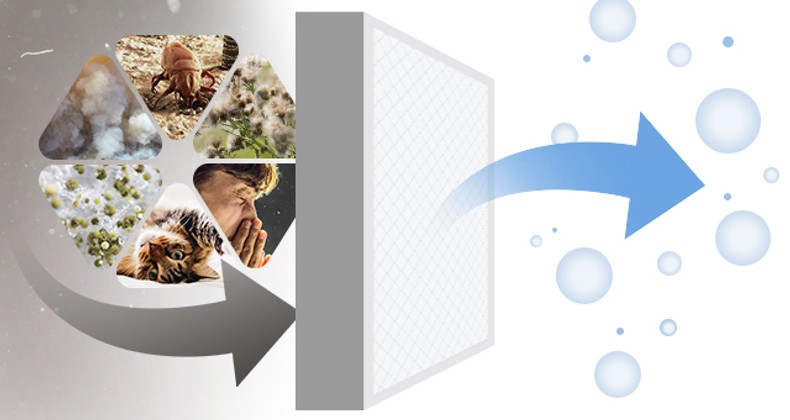
What is HEPA filter? What does HEPA stand for? How do HEPA filters work and when are they used? Which products need to use HEPA?
This article will help you explore the above questions so you can know exactly what HEPA is and when you need to use it.
HEPA is the abbreviation of what word?
HEPA: High Efficiency Particulate Arrestance.
To be more specific, it is a type of filter designed to prevent or retain dust particles that can reach very small sizes with high efficiency. The United States Department of Energy (DOE) has established a standard for types of filters that can properly be called HEPA filters. The standard states that this type of filter must retain dust particles greater than or equal to 0.3 microns with an efficiency of 99.97%.
So the obvious next question would be - how big is a micron (symbol: µ)? Well, one inch = 25400 microns. But, to make it easier to understand, let's make comparisons. Here is a brief list of objects to compare.
- Bacteria: 1-10 microns
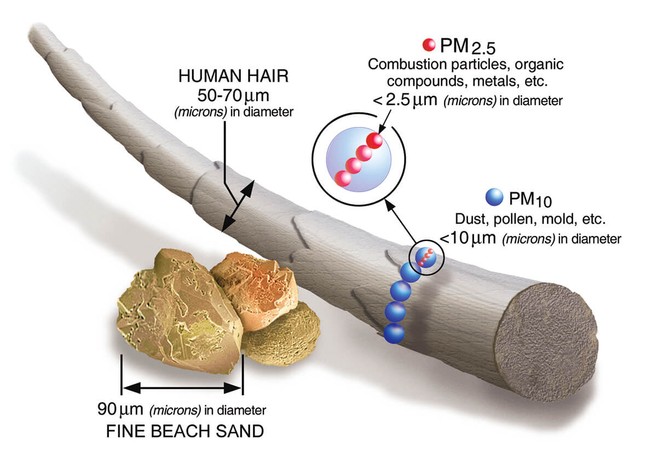
- Fine sand grains: 65 microns
- Human hair: 17-181 microns
- Dust mites: 100-300 microns
- Printer ink: 0.5-15 microns
- Pollen: 10-1000 microns
- Smoke Drug: 0.01-4 microns
- Virus: 0.005-0.3 microns
How does HEPA filter work?
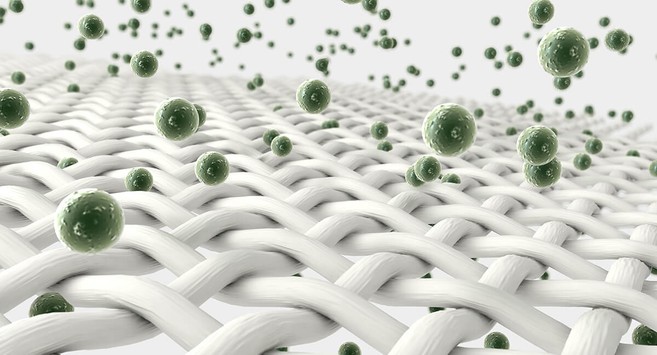
HEPA filters are typically formed from borosilicate glass or glass or plastic fibers arranged on a mat of randomly placed fibers. However, HEPA filtration does not work by trapping particles larger than a certain size and allowing smaller particles to pass through. With a HEPA filter, dust particles can be trapped by sticking to the fibers through diffusion, interception and impingement.
- Tiny particles: These particles are trapped through a diffusion process related to the Brownian motion principle, a mechanism that slows down dust particles when they collide with gas molecules, causing them to stick to the filter fibers.
- Small dust particles: When dust particles of a certain size drift along the gas stream through the filter and pass through the filter fibers, they will be "blocked" and stuck.
- Larger sized dust particles: These dust particles simply cannot pass through the filter fibers without directly "colliding" with them and then being trapped.
- Dust particles can also be trapped through static suction electricity.
When does HEPA filtration become important?
If you or any family member is suffering from asthma or severe allergies, HEPA filters can make a noticeable difference because they can filter out pollen, mold, fine dust, pet dander, other allergens and bacteria.
And, if you're unsure about the level of allergens in your home or office, an air quality monitor is a good way to test it, as well as monitor it daily. There are also home tests specifically designed to detect levels of unhealthy ingredients such as mold, formaldehyde and other irritants so they can be addressed directly.
HEPA filtration also becomes important in some special situations even if you do not have allergy problems:
- Water Intrusion: If you have ever experienced flooding, even from leaking or overflowing appliances, using HEPA during the repair process will help you eliminate mold spores, bacteria, and other microorganisms produced by the intrusion. water.
- Smoke: A fire near your home, whether it's a forest fire or a kitchen fire, can produce smoke particles that accumulate and have adverse health effects. HEPA filters will capture the fine soot and ash particles formed from these fires.
- High chemical environments: If you know that your home or workplace has a high concentration of volatile organic chemicals (VOC’s), you will need HEPA filters that are designed to handle this. These filters include activated carbon soaked with potassium iodide, potassium permanganate, activated aluminum, and/or aluminum silicate.
- Clean Room Environments: If you are caring for someone who needs a clean room environment, there are ultra-HEPA filters that can capture finely sized particles to 0.003 microns. Includes viruses and dust particles smaller than 0.3 microns that HEPA filters are designed to filter.
Of course, if you are concerned about the general air quality at home or work, even if not in the above situations, a HEPA filter will certainly improve the air quality in your room. The U.S. Environmental Protection Agency (EPA) and the Centers for Disease Control and Prevention (CDC) have shown that indoor air pollution is much more severe than outdoor air, and since we spend most of our time indoors, ensuring a healthy indoor environment is even more important.
Which products use HEPA filtration?
While we tend to think that HEPA filters are only used for cleaning the air, a surprising number of machines actually use HEPA filters.
Professionals use dehumidifiers, vacuum cleaners and air filters when dealing with water damage or after a fire, to effectively restore assets.
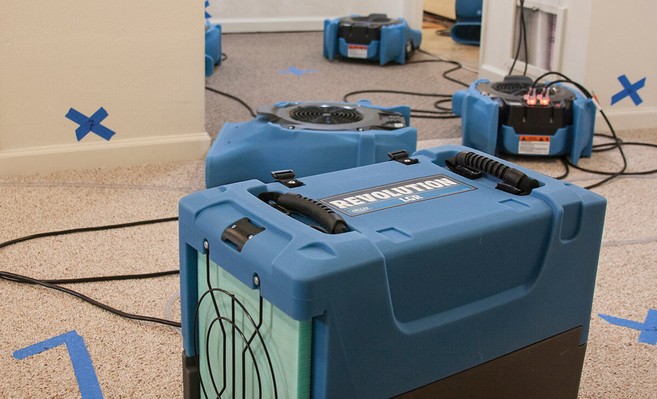
Other machines designed for everyday use in the home include vacuum cleaners, air purifiers, and combination air circulation and filtration machines. If you are thinking about a home air cleaner, this article can highlight some of the factors you should consider when making a purchase.
A vacuum cleaner with HEPA filtration is especially important, as all the air drawn into the machine passes through any dust trapped in the dust bags before being released back into your environment. If you are allergic or sensitive to pet dander, HEPA filtration will filter out allergens.
Consider HEPA filtration?
If you or a family member has severe allergy or asthma symptoms, or you are caring for a loved one who is ill, you may want to consider one or more products with HEPA filtration.If you or a family member has severe allergies or asthma symptoms, or you are caring for a loved one who is ill, you may want to consider one or more products with HEPA filtration. An anti-allergy air purifier is a great start!
In Summary
HEPA filter is designed to filter microscopic particles with high efficiency. Using HEPA filtration at home will improve indoor air quality by reducing airborne allergens. Situations such as water intrusion, heavy smoke intrusion, high concentrations of volatile chemicals and clean rooms will require HEPA filtration to overcome.
Source: https://www.sylvane.com/what-is-a-hepa-filter-how-does-it-work.html
Abridged translation: Khanh An